E-Learning für lokale Agrarökologie
E-Learning für lokale Agrarökologie
The Brief
E-Learning-Team realisiert internationales Zertifikatsprogramm für Agrarökologie
Was im Juli 2024 mit einem Curriculum-Planungsworkshop und intensiver Vor-Ort-Arbeit im Agricultural Training Center KATC in Kasisi nahe Lusaka (Sambia) begann, wurde ein Jahr später mit einem Abschlussworkshop erfolgreich abgeschlossen: Ein einmaliges Higher-Education-Zertifikatsprogramm für Agrarökologie ist nun offiziell gestartet.
Im Auftrag von Jesuit Worldwide Learning realisierte unser E-Learning-Team dieses internationale Kooperationsprojekt. Sechs aufeinander aufbauende Kurse bilden ein einjähriges Zertifikatsprogramm, das an einer Universität in Harare (Simbabwe) akkreditiert ist und Studierenden aus marginalisierten Kontexten weltweit offensteht.
- Kurs 1: Introduction to Agroecology – 160 Lernstunden
- Kurs 2: Soil Health Management – 160 Lernstunden
- Kurs 3: Crop Production – 160 Lernstunden
- Kurs 4: Animal Husbandry – 160 Lernstunden
- Kurs 5: Integrated Production Systems – 160 Lernstunden
- Kurs 6: Agroforestry – 160 Lernstunden
Bereits 2024 war unser Team mit Anna und Raphaela vor Ort für die Planung der Lerninhalte und die Produktion erster Video und Sammlung der Erfahrungen und Inhalte, 2025 folgten Jay, Alexey und Raphaela für den Abschlussworkshop. Gemeinsam mit lokalen Ausbildungsteams und Expert:innen für Agrarökologie wurden Lerninhalte systematisch erarbeitet, strukturiert und didaktisch aufbereitet – mit besonderem Fokus auf kleinstrukturierte Landwirtschaft und ländliche, marginalisierte Regionen.
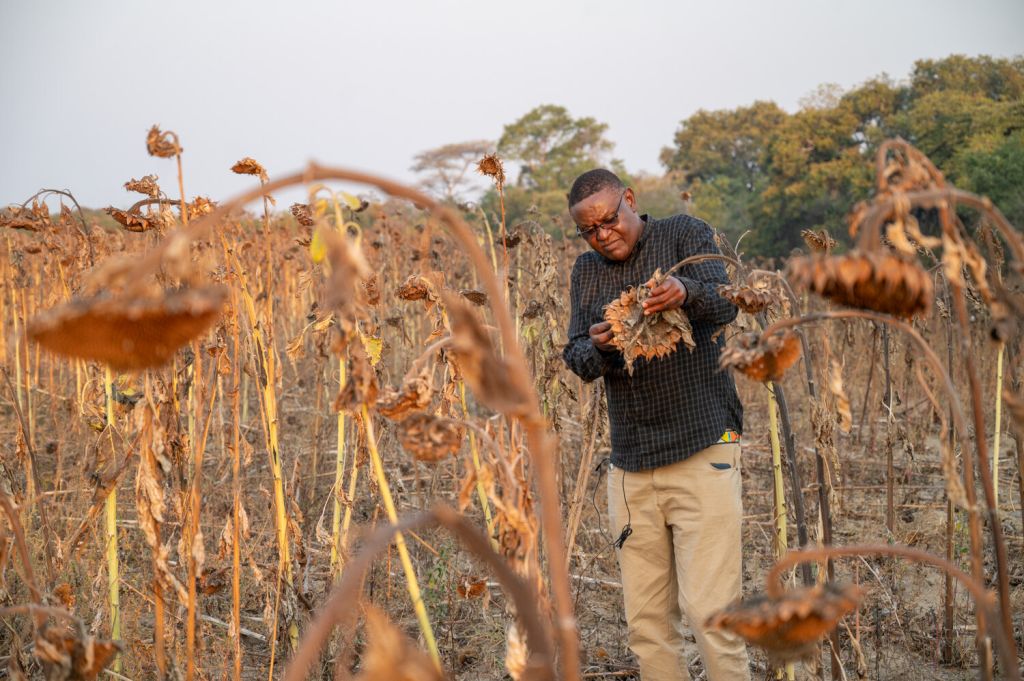
Neben der Gestaltung des Lehplans und der E-Learning-Inhalte für das Blended-Learning-Programm produzierte das E-Learning-Team vor Ort auch Videoinhalte mit Expert:innen, die agrarökologische Prinzipien, lokale Praktiken und reale Produktionsabläufe dokumentieren. Diese authentischen Einblicke bilden das Herzstück der Online-Kurse und machen lokales Wissen über Ländergrenzen hinweg zugänglich.
Unser Team stellte sicher, dass internationale Standards der Higher Education eingehalten werden, entwickelte kompetenzorientierte Lernaktivitäten und integrierte digitale didaktische Ansätze. Ziel ist nicht nur die Wissensvermittlung, sondern auch die Stärkung von Metakompetenzen.
Das Herzstück des Programms bilden kontextbezogene Reflexionen sowie ein didaktisches Design, das digitale Fähigkeiten konsequent in die fachlichen Inhalte einwebt. Auf diese Weise entsteht eine digitale Transformation der landwirtschaftlichen Lehrpraxis, die insbesondere im Kontext des Klimawandels eine gefragte Zukunftschance darstellt. Lehrende lernen, lokales Wissen systematisch zu dokumentieren, zu reflektieren und zu skalieren – und werden dadurch zum Beispiel befähigt, den Einsatz angepasster Saatguts sowie den Erhalt traditioneller Sorten aktiv auf lokaler Ebene zu fördern, initiiert aus einer digitalen globalen Initiative.
Das Herzstück des Programms bilden kontextbezogene Reflexionen sowie ein didaktisches Design, das digitale Fähigkeiten konsequent in die fachlichen Inhalte einwebt. Auf diese Weise entsteht eine digitale Transformation der landwirtschaftlichen Lehrpraxis, die insbesondere im Kontext des Klimawandels eine gefragte Zukunftschance darstellt. Lehrende lernen, lokales Wissen systematisch zu dokumentieren, zu reflektieren und zu skalieren – und werden dadurch zum Beispiel befähigt, den Einsatz angepasster Saatguts sowie den Erhalt traditioneller Sorten aktiv auf lokaler Ebene zu fördern, initiiert aus einer digitalen globalen Initiative.
Seit September läuft das Programm auf der von uns entwickelten Lernplattform. Eine moderne Offline-Lernapp, Foren und kollaborative Formate ermöglichen internationalen, interkulturellen Austausch und fördern gemeinsames Lernen auf Basis lokalen agrarökologischen Wissens – für eine nachhaltige Stärkung ländlicher Regionen.
E-Learning Team Launches International Certificate Program in Agroecology
What began in July 2024 with a curriculum planning workshop and intensive on-site work at the Agricultural Training Center KATC in Kasisi near Lusaka, Zambia, was successfully completed one year later with a final workshop: a unique higher-education certificate program in agroecology has now officially launched.
Commissioned by Jesuit Worldwide Learning, our e-learning team implemented this international collaborative project. Six consecutive courses form a one-year certificate program that is accredited by a university in Harare, Zimbabwe, and is open to students from marginalized contexts around the world.
Program structure:
- Course 1: Introduction to Agroecology – 160 learning hours
- Course 2: Soil Health Management – 160 learning hours
- Course 3: Crop Production – 160 learning hours
- Course 4: Animal Husbandry – 160 learning hours
- Course 5: Integrated Production Systems – 160 learning hours
- Course 6: Agroforestry – 160 learning hours
As early as 2024, our team—represented by Anna and Raphaela—was on site to plan learning content, produce initial videos, and gather practical insights and materials. In 2025, Jay, Alexey, and Raphaela followed for the final workshop. Together with local training teams and agroecology experts, learning content was systematically developed, structured, and didactically prepared, with a strong focus on small-scale farming and rural, marginalized regions.
In addition to designing the curriculum and e-learning content for the blended-learning program, the e-learning team also produced video content on site with experts documenting agroecological principles, local practices, and real production processes. These authentic insights form the core of the online courses and make local knowledge accessible across national borders.
Our team ensured compliance with international higher education standards, developed competency-based learning activities, and integrated digital didactic approaches. The goal is not only knowledge transfer but also the strengthening of meta-competencies.
At the heart of the program are context-based reflections and an instructional design that consistently weaves digital skills into subject-specific content. This approach enables a digital transformation of agricultural teaching practices, offering a valuable future opportunity—particularly in the context of climate change. Educators learn how to systematically document, reflect on, and scale local knowledge, empowering them, for example, to actively promote the use of adapted seeds and the preservation of traditional varieties at the local level—initiated through a global digital initiative.
Since September, the program has been running on the learning platform developed by us. A modern offline learning app, forums, and collaborative formats enable international and intercultural exchange and promote collaborative learning based on local agroecological knowledge—contributing to the sustainable strengthening of rural regions.